
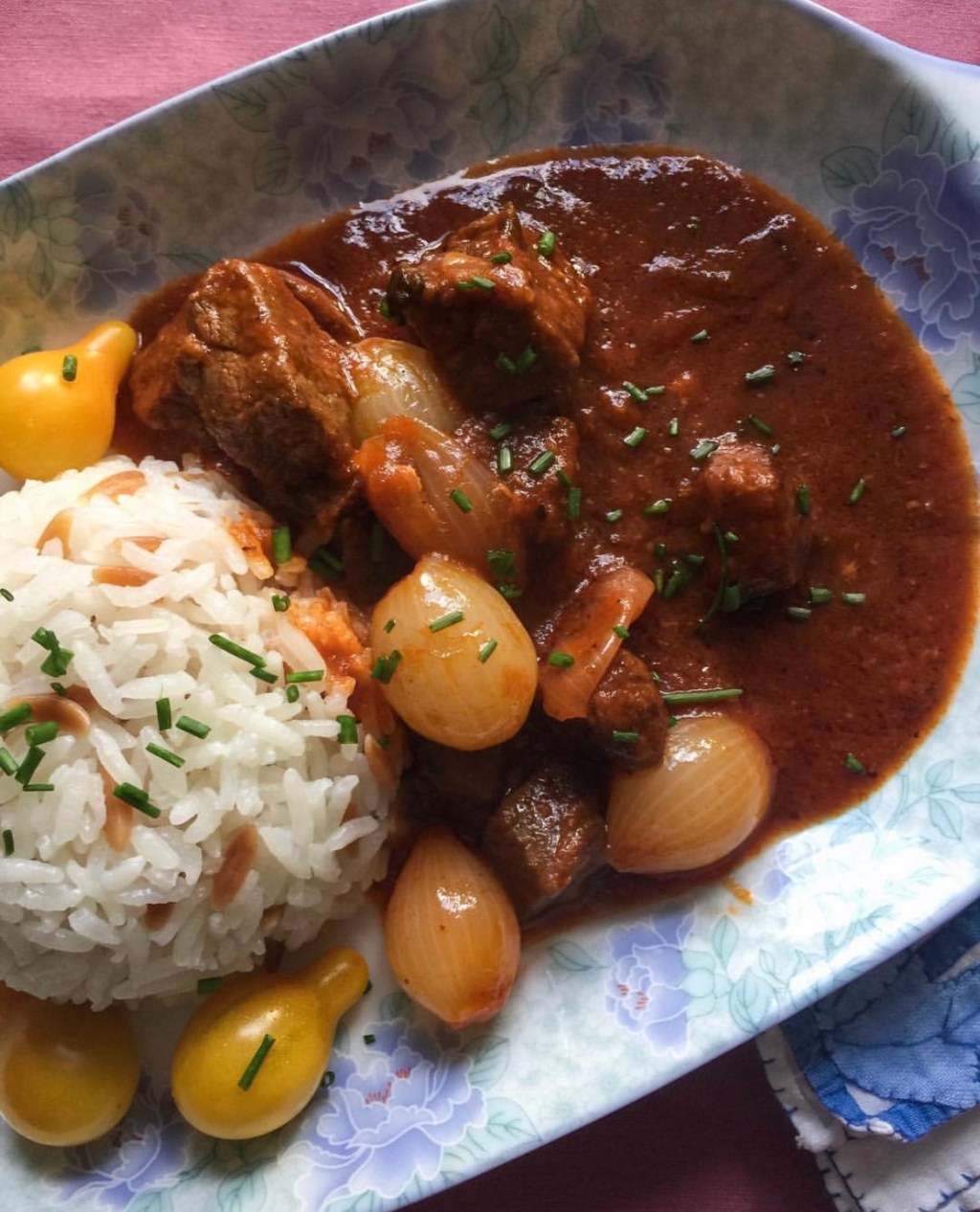
Some dishes survive not because they were fashionable, but because they were practical, seasonal, and nutritious. This winter dish is no exception.
Papaz Yahnisi—often translated as Priest’s Stew—is one of those meals. It comes from the cradle of the Ottoman empire, a town first settled in 3000 B.C.E., called Bilecik (pronounced bee-lay-jek). The dish itself comes from the layered foodways of Anatolia, where Orthodox Christian, Muslim, and Jewish kitchens shared ingredients, techniques, and seasonal logic long before modern borders hardened.
When I lived in Turkey, one of my guests told me that the words Papaz and Yahni are both of Greek origin, with the Turkish suffix “si” marking the compound noun, showing a remarkable blend of culinary and linguistic cross-over.
The dishes developed in this region weren’t built on ceremony; they were practical, nourishing, and deeply attentive to what was available. Papaz Yahnisi has recently earned an official registration, marking its importance to its regional influence.
At its core, this is a slow-cooked stew of onions, tomatoes, oil, and meat—most often lamb or beef—seasoned simply and cooked until the onions dissolve into the sauce. The restraint is the point. This is a dish that trusts time more than spice.
In many Anatolian and Ottoman-era kitchens, onions were not background flavor—they were important for structure. Cooked slowly in oil, they became body, sweetness, and depth. Papaz Yahnisi leans fully into that wisdom.
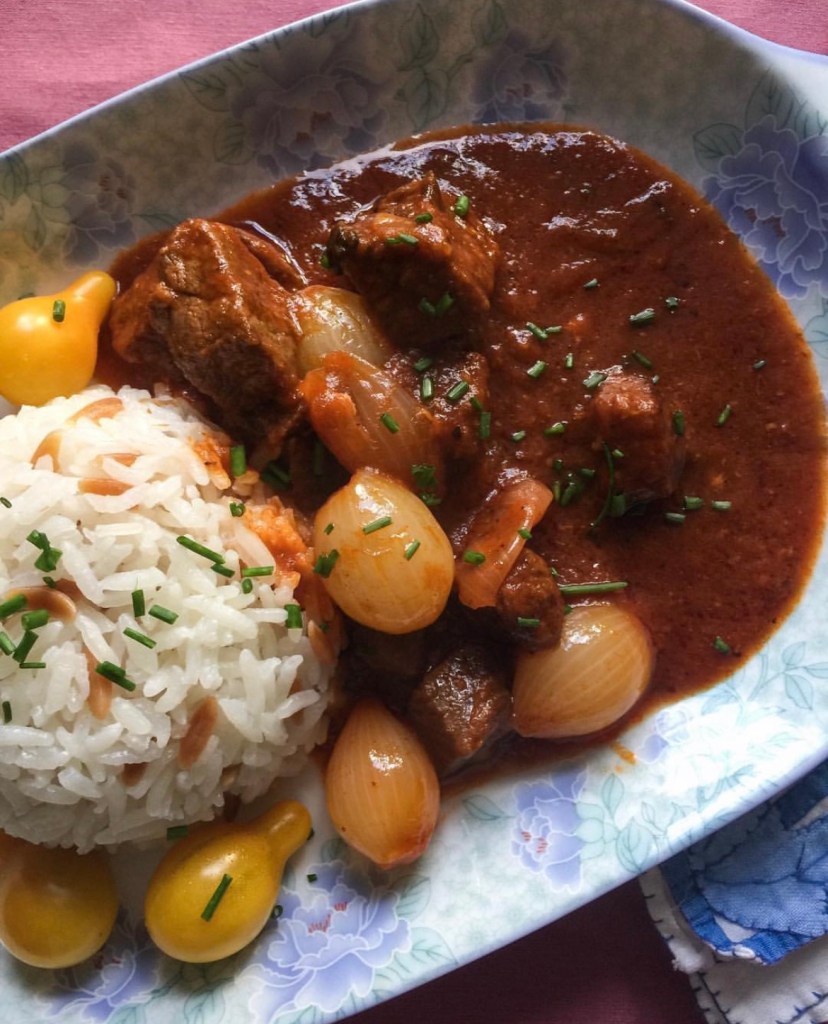
This is the kind of dish that would have fed clergy, farmers, and families alike: filling, affordable, and deeply sustaining.
Papaz Yahnisi Recipe
Ingredients
1 package pearl onions
1½ lbs beef, cut into large chunks
3–4 tbsp oil (sunflower is generally used here)
2 small onions, chopped
3 cloves garlic, sliced
2 medium tomatoes, grated (or 1½ cups crushed tomatoes)
1 tbsp tomato paste
1 bay leaf
½ tsp black pepper
Salt, to taste
1–1½ cups hot water or light stock
(**Optional, but historically consistent in some regions: a splash of red wine or vinegar when making the sauce.)
Start with the meat. Heat the oil in a heavy pot over medium heat. Add the beef cubes with a pinch of salt and sear the outside, turning and browning evenly on all sides. Remove the beef from the pan and set aside.
Add the pearl onions with another pinch of salt and a pinch of sugar, and fry until the outsides caramelize slightly. Add to the beef and set aside.
Now, let’s build the sauce. Add another tablespoon of oil to the pan and add the chopped onion. Fry over medium low heat until translucent the onions begin to break down and seperate from the oil. Add garlic, tomato paste, grated tomatoes, and vinegar or wine, if using. Stir well and add the beef and pearl onions back in. Add the bay leaf and black pepper.
Pour in enough hot water or stock to just cover the meat. Bring to a low simmer, cover, and cook gently for 1½–2 hours, until the meat is tender and the onions have fully melted into the sauce.
Before serving, taste for salt.
How to serve it
Papaz Yahnisi is traditionally served simply:
-With bread
-Over rice or cracked wheat
-Alongside something sharp and fresh (pickles, plain yogurt, arugula with lemon and salt)
Afiyet olsun, “May it contribute to your health.”




 Virginia's Vittles
Leave a comment